
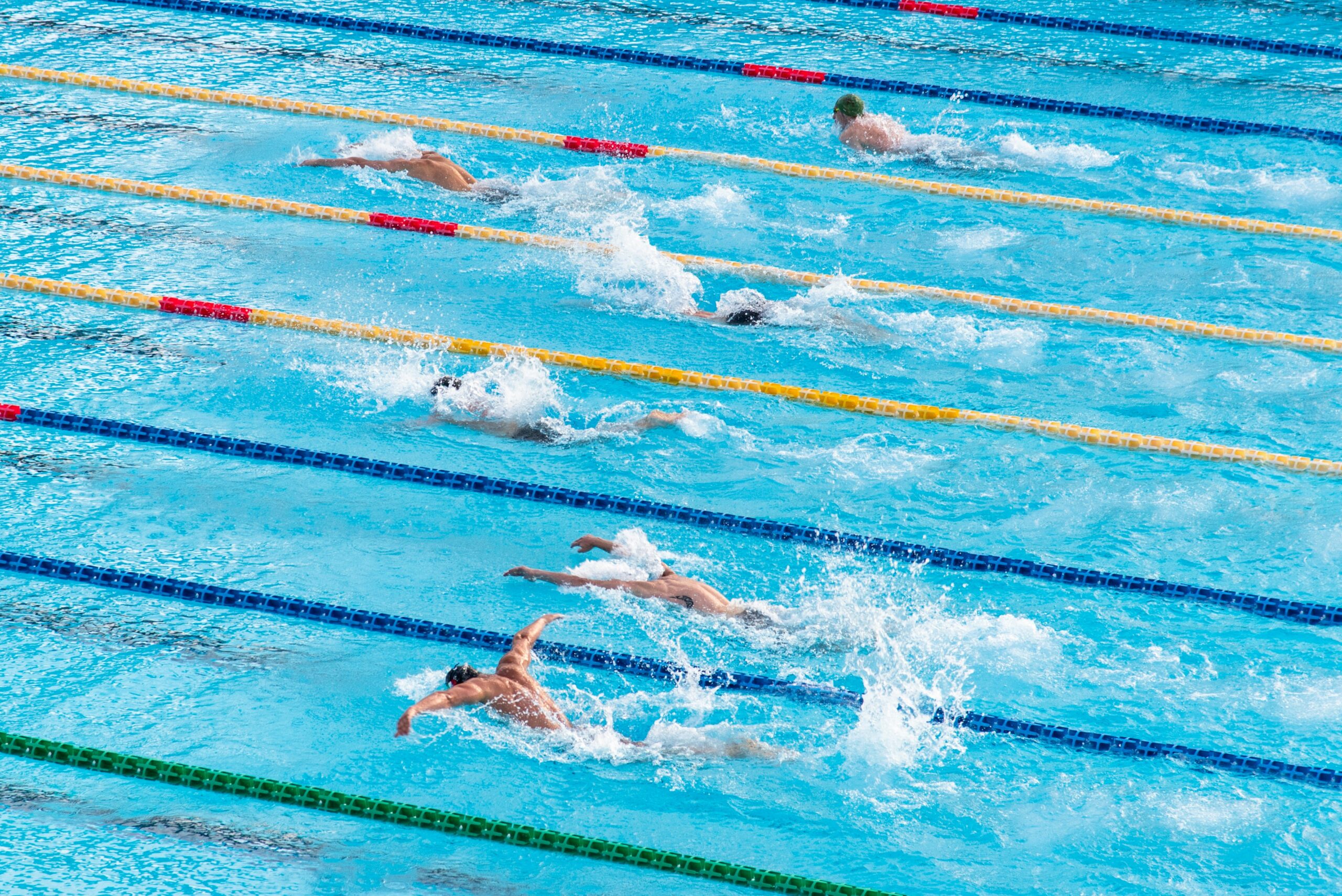
With a new year often brings the aim to lose weight, and many people want an exercise that feels doable and enjoyable. Swimming is a popular choice because you can start at your own pace, it is gentle on the joints, and you can build from short, easy sessions toward longer, more confident swims.
That’s where Hodgson Pharmacy in Longfield comes in. As a trusted local pharmacy near Dartford, Northfleet and surrounding areas, we offer practical, pharmacist‑led weight loss support that fits your body and your life.
If you are wondering whether swimming is a good option for you, this article explains how it works and who it suits.
How Weight Loss Works In Simple Terms
Weight loss happens when you burn more energy than you eat over time. You can influence this balance by moving more and by making small changes to what you eat, or by combining both.
Regular movement matters as part of a healthy routine, alongside sensible eating.
It’s important to remember that no single exercise will suddenly melt fat; consistency is the key. Gentle, regular activities can still help, especially if you’re new to exercise or have joint concerns.
What Makes Swimming Different From Other Exercises
Swimming is a full‑body workout because you use your arms, legs and core at the same time. Water resistance means your body works harder even if you swim at a steady pace.
It is low impact, which means it is easier on joints than running or other high‑impact workouts. This makes swimming suitable for beginners, people returning to exercise, or those who have joint discomfort.
Can Swimming Help You Lose Weight?
Yes, swimming can support weight loss when done regularly. How much you lose depends on how often you swim, how long you swim, and how hard you swim.
It also depends on your overall diet and daily habits. Realistic weight loss takes time, and swimming is a steady, sustainable part of a plan rather than a quick fix.
When Should You Book Travel Vaccines?
Ideally, book at least four to six weeks before you travel. Some vaccines need more than one dose, so planning now gives you more options.
If your trip is sooner, come in anyway and we’ll check what can be done in time and what other options exist.
How Many Calories Does Swimming Burn
Calorie burn varies a lot. It depends on your swimming style, your body size, and how long you swim. In general, swimming energy expenditure is similar to brisk walking or cycling when you keep a steady pace. The important thing is consistency, not the exact number of calories.
Additional Health Benefits Of Swimming
Swimming supports heart health and fitness. It helps build muscle tone and strength. It can improve mood and reduce stress, which can help with weight loss efforts. Many people find swimming more enjoyable and relaxing than traditional workouts, which can make it easier to stick with.
Is Swimming Right For Everyone Trying To Lose Weight?
Swimming may be ideal for beginners, for people with joint pain or mobility concerns, or for those who do not enjoy going to the gym. Some people may need additional support or a mixed approach that includes other activities. The key is to choose activities you enjoy so you can maintain healthy habits for the long term.
Combining Swimming With Healthy Weight Loss Support
Exercise works best when it goes with a balanced eating plan. A regular routine helps you stay on track, and accountability can make it easier to keep going. Be mindful not to overeat after a swim. Personalised advice is better than generic online plans and can help you tailor a plan to your needs.
Practical Tips For Using Swimming For Weight Loss
Start slowly and build consistency by beginning with two shorter swims a week and gradually increasing the time or frequency as you feel able.
Set a realistic weekly swimming goal and aim to improve gradually. On non‑swim days, add a little light activity such as a short walk.
Stay hydrated and choose meals that fuel your activity. Track progress in simple, motivating ways, like noting how you feel after a swim, how long you swam, and how easy it was to keep going.