
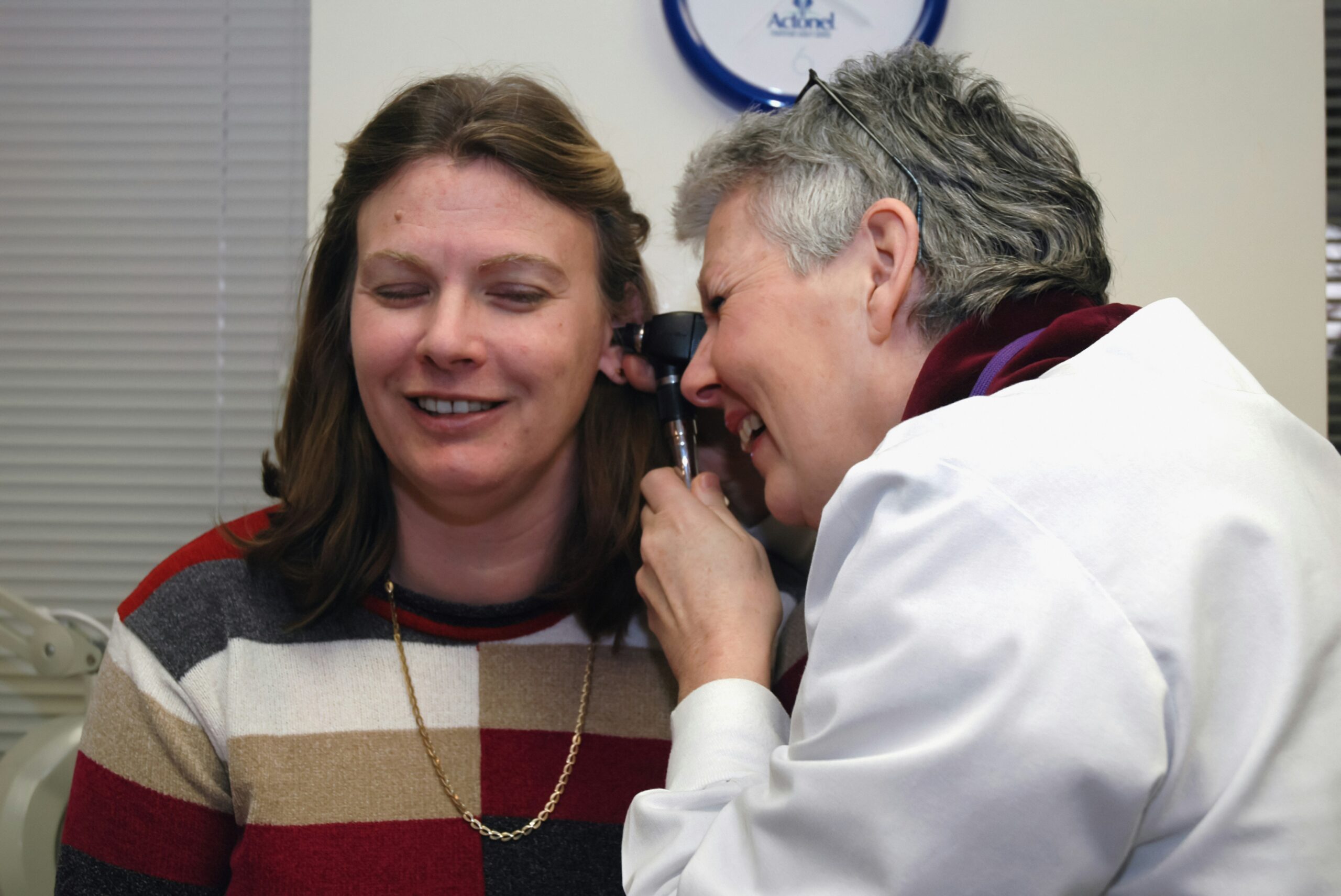
Dizziness can feel unsettling. It can come on suddenly and leave you feeling unsteady, sometimes for minutes or hours. For some people, a simple thing in the ear—earwax built up in the canal—can contribute to this feeling. When earwax blocks the ear canal, it can affect how the inner ear senses balance and may make you feel dizzy.
That’s where Hodgson Pharmacy in Longfield comes in. As a trusted local pharmacy near Dartford and Gravesend, we offer a pharmacist-led ear care service including safe earwax removal to help you feel steadier and hear more clearly. We can explain the signs that earwax is causing issues and guide you through the best next steps.
What Is Earwax and Why Does It Build Up?
Earwax is a natural waxy substance produced in the outer part of the ear. It helps protect your ear by catching dust, keeping the skin moist, and helping to fight infections. Most people have some earwax, and it usually moves out of the ear on its own.
Sometimes more wax is made than usual or it becomes stuck. Common reasons include the natural shape of the ear canal, wearing hearing aids, or using cotton buds. People who do not regularly clean the outer ear may notice wax build-up more often. Older adults may also notice changes in earwax. If you have a narrow ear canal or a history of ear problems, you may be more prone.
Can Earwax Actually Cause Dizziness?
If a large amount of earwax blocks the ear canal, it can press on the ear canal and the eardrum. The middle and inner ear help us hear and keep our sense of balance. When pressure changes in the ear, it can upset the signals the brain uses to stay balanced, which may lead to dizziness. Earwax is more likely to cause dizziness if you have a big blockage, but most people with dizziness have other causes too. If dizziness is new, severe, or lasts more than a day or two, you should seek advice from a health professional.
Other Symptoms That Often Accompany Earwax-Related Dizziness
Many people notice extra signs along with dizziness. You might also have muffled hearing, a feeling that the ear is full, or a ringing, buzzing, or whistling in the ear (tinnitus). If dizziness is the only symptom, it may be caused by other issues like low blood pressure, dehydration, or an inner ear infection. If you’re unsure, it’s best to talk to a clinician or GP.
What to Do If You Think Earwax Is Causing Your Dizziness
Avoid putting objects like cotton buds into your ear. These can push wax deeper or injure the ear. For a gentle start at home, you can use over-the-counter ear drops or softening drops to help loosen the wax, following the instructions on the pack. Do not use water irrigation at home unless advised by a clinician.
If you have continued dizziness, hearing loss, ear pain, fever, or swelling, seek medical advice. In some cases, a professional earwax removal method is recommended.
In short, if you are worried, you may wonder can earwax cause dizziness. This is something we see often, and the good news is that safe, professional removal can help.
When in doubt, consult Hodgson Pharmacy for guidance on safe wax removal. Professional removal is usually a quick process, and it can provide relief from heavy wax blockage.
Professional Earwax Removal at Hodgson Pharmacy
Microsuction is the method we often use for earwax removal. It uses a tiny, gentle flow of suction and a light microscope to remove wax. It is quick, safe, and effective, even for stubborn or hard-to-reach wax. Most people notice an improvement in hearing and balance right away after the procedure.
During the appointment, a trained pharmacist will check your ear, remove the wax with suction, and have a short chat about keeping ears clear and safe.
To book an appointment at Hodgson Pharmacy in Longfield, you can call the shop, drop by in person, or use our online contact form.