
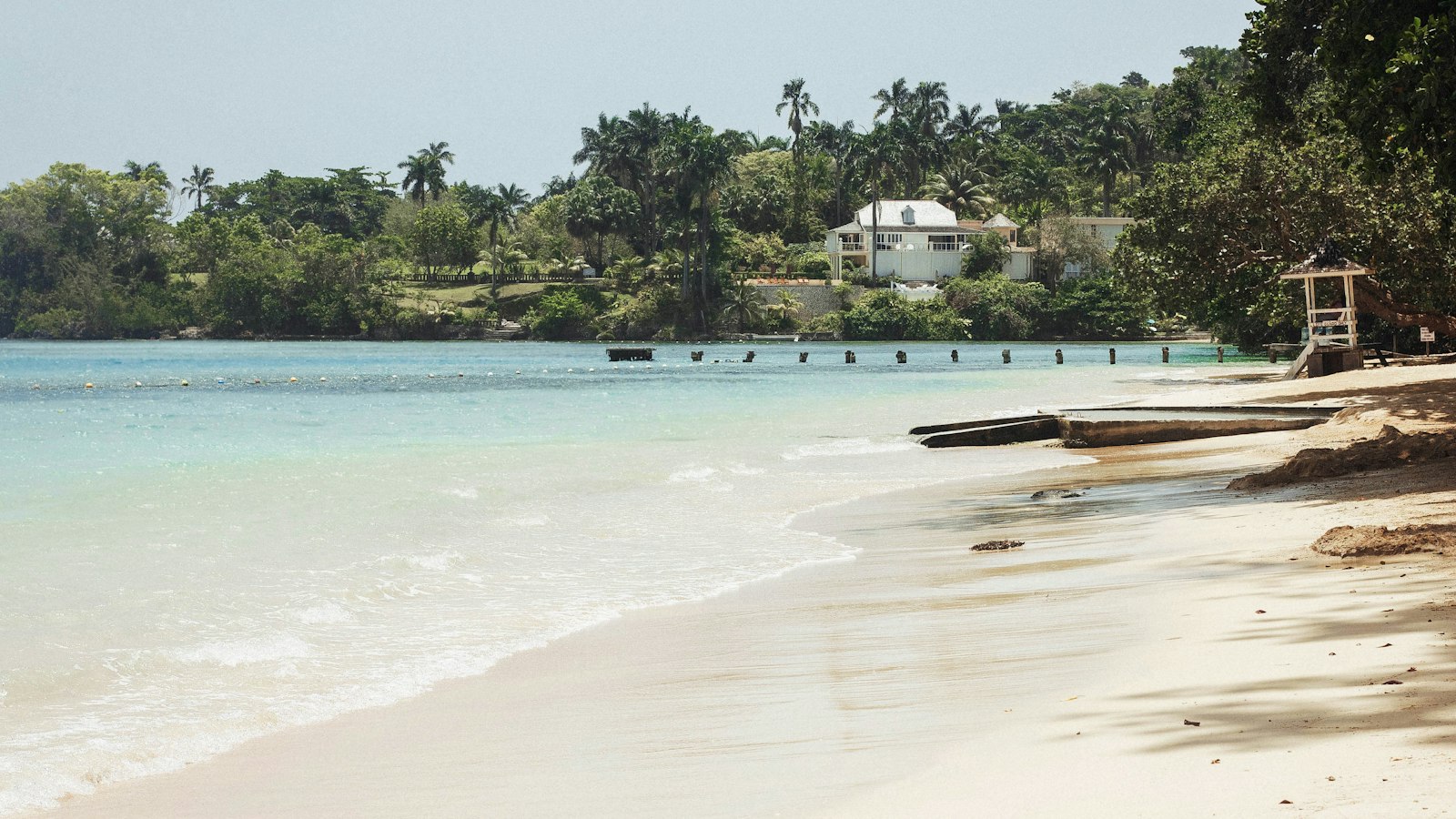
Jamaica is a favourite for beach holidays and weddings. Few vaccines are needed compared with many long-haul destinations, and malaria and yellow fever are not a risk, but it is still worth checking your routine vaccines and a few travel vaccines.
This guide explains the vaccines that are commonly considered for Jamaica, which ones depend on your itinerary, and what to check before you travel. It is general information. Recommendations are always based on your own plans and medical history.
Last reviewed: November 2026. This guide is for general information only and does not replace advice from a qualified healthcare professional.
Vaccines for Jamaica: the short answer
- Make sure your routine vaccines are up to date, including MMR and tetanus, diphtheria and polio.
- Hepatitis A is commonly recommended, with typhoid and hepatitis B considered for some travellers.
- There is no malaria or yellow fever risk in Jamaica.
- Chikungunya and dengue have been reported, so mosquito bite avoidance matters.
Which vaccines are commonly considered for Jamaica?
| Vaccine | Who it is usually considered for | Why |
|---|---|---|
| Hepatitis A | Most travellers | Spread through contaminated food and water. Recommended for most unvaccinated travellers. |
| Tetanus, diphtheria and polio | Most travellers | A booster is usually advised if your last dose was more than ten years ago and you are visiting places where medical facilities may be limited. |
| Typhoid | Some travellers | Spread through contaminated food and water, and more likely where sanitation is limited. |
| Hepatitis B | Some travellers | Spread through blood and body fluids. Considered for longer stays, higher-risk activities or if you may need medical or dental treatment abroad. |
Recommendations change over time and depend on where you are going, the time of year, how long you will stay and your health. Always check current advice from the National Travel Health Network and Centre (TravelHealthPro) before you travel.
Is a yellow fever certificate needed for Jamaica?
There is no risk of yellow fever in Jamaica. A certificate may be needed if you arrive from a country where yellow fever is present.
You can read more in our guides to the yellow fever vaccine and the yellow fever exemption certificate.
Do I need malaria tablets for Jamaica?
Malaria is not present in Jamaica, so antimalarial tablets are not needed. Bite avoidance is still advised because of dengue and chikungunya.
Other health risks in Jamaica
- Chikungunya and dengue spread by mosquitoes.
- Food and water hygiene, particularly with street food.
- Sun protection and heat.
When should I get my travel vaccines?
Ideally, arrange advice four to eight weeks before you travel. Some vaccines need more than one dose, so leaving it too late can limit your options. If your trip is sooner, it is still worth asking, because some protection is better than none.
Common questions
What vaccines do I need for Jamaica?
Hepatitis A and an up-to-date tetanus, diphtheria and polio booster are usually recommended. Typhoid and hepatitis B may be considered for some travellers.
Do I need malaria tablets for Jamaica?
No. Malaria is not present in Jamaica.
Do I need a yellow fever vaccine for Jamaica?
There is no yellow fever risk in Jamaica. A certificate may be needed only if you arrive from a country where yellow fever is present.
Travel vaccinations at Hodgson Pharmacy in Longfield
Hodgson Pharmacy is an independent, family-run, GPhC-registered pharmacy in Longfield, Kent, serving patients from Dartford, Gravesend and the surrounding area. Our travel clinic offers a consultation to review your itinerary and medical history and to advise which travel vaccines and health precautions are appropriate for you.
A £20 consultation fee applies. If you go on to have a vaccine, the consultation fee is put towards the cost of your vaccines, so it is not charged in addition.
Planning a trip to Jamaica?
Speak to our team about the travel vaccinations and health advice that suit your itinerary.
View our travel clinic Call 01474 707341